The Thrill of Chance
Casino gambling is often driven by the exhilarating thrill of chance. The uncertainty of outcomes creates an adrenaline rush that many players find addictive. This element of unpredictability is a powerful motivator, as individuals are drawn to the excitement ofcalifornia sports betting apps potentially winning big with just a small stake. The anticipation can evoke strong emotional responses, leading to a heightened state of engagement and focus on the game.
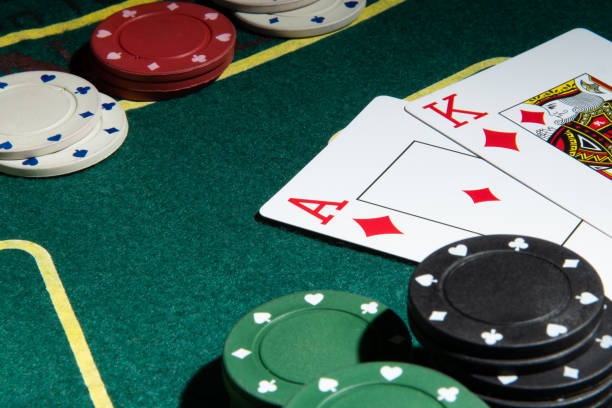
This desire for excitement is deeply rooted in human psychology. The brain releases dopamine—a neurotransmitter linked to pleasure and reward—when a player wins, creating a cycle of reinforcement. Casino games are strategically designed to exploit this response, with bright lights and sounds stimulating players and encouraging them to keep gambling in hopes of repeating that dopamine surge.
The Allure of Social Interaction
Another significant driver behind casino gambling is the social interaction it provides. Casinos are not just places to gamble; they are social hubs where people gather to enjoy entertainment, celebrate victories, and share experiences. Engaging with other players can enhance the enjoyment of the game, turning solitary gambling into a communal activity.
This social aspect is particularly appealing to those seeking connection and camaraderie. Players often form friendships, share strategies, and create a sense of belonging within the gambling community. The social environment can heighten the excitement and satisfaction of gambling, making the experience more enjoyable and fulfilling.
The Illusion of Control
Many players are driven by the illusion of control, believing they can influence outcomes through strategy or skill. This perception can lead to an increased commitment to gambling, as individuals feel empowered by their decisions. Games that involve a level of skill, such as poker, are especially appealing because they provide players with the belief that their skill can lead to success against an uncertain backdrop.
However, this illusion can also lead to problematic gambling behaviors. Players may continue to gamble despite losses, attributing their lack of success to bad luck rather than a flawed strategy. This cognitive bias can trap players in a cycle of chasing losses, emphasizing the importance of understanding and addressing the psychological factors influencing gambling behaviors.
The Role of Marketing and Environment
The casino environment itself plays a significant role in influencing player behavior. From the design of the space to the strategic placement of games, casinos create an atmosphere that encourages extended play. The lack of windows and clocks, the use of comp drinks, and enticing promotions are all tactics designed to keep players engaged and spending money.
Marketing strategies also capitalize on the psychological triggers that drive gambling behavior. Promotions promising large jackpots or exclusive events tap into the excitement and desire for social experiences. By creating a sense of urgency and exclusivity, these marketing tactics encourage players to gamble more than they might otherwise, contributing further to the potential for addiction.
Responsible Gambling and Awareness
As the allure of casino gambling grows, so does the importance of responsible gambling practices. Understanding the psychological factors that drive gambling behavior is crucial for promoting healthy habits and preventing addiction. Players should be educated about the risks and encouraged to engage in self-regulation, setting limits on their gambling activities.
Our website is dedicated to providing valuable resources and insights into responsible gambling. We aim to foster informed decision-making among players, ensuring they enjoy the thrill of the casino while maintaining a healthy balance. By raising awareness of the psychological aspects of gambling, we hope to contribute to a safer, more enjoyable gaming environment for all enthusiasts.